Cholecystectomy is a keyhole surgery for the removal of the gall bladder due to gall stones. It is the most common method for treating symptomatic gallstones. Surgical options include the standard procedure, called laparoscopic cholecystectomy, and an older more invasive procedure, called open cholecystectomy.
View more details at Wikipedia
How is the procedure done?
This procedure is covered by AIA medical card. For more details, please send us a comment below.
Friday, February 11, 2011

What is Cataract Surgery?
Cataract is the clouding of the natural lens inside the eye and it is usually related to the aging process. If one lives long enough, chances are that he or she will develop Cataract.
A person with an advanced stage of Cataract views the world as if through a dirty or foggy window. Glare becomes a serious problem. Reading, driving, computer work and hobbies becomes difficult and eventually impossible due to diminishing vision.
A person with an advanced stage of Cataract views the world as if through a dirty or foggy window. Glare becomes a serious problem. Reading, driving, computer work and hobbies becomes difficult and eventually impossible due to diminishing vision.
How is cataract surgery done?
This procedure is covered by AIA medical card. For more details, please send us a comment below.
What is Bone Marrow Aspiration and Biopsy?
A bone marrow biopsy removes a small amount of bone and a small amount of fluid and cells from inside the bone (bone marrow). A bone marrow aspiration removes only the marrow. These tests are often done to find the reason for many blood disorders and may be used to find out if cancer or infection has spread to the bone marrow.
View source from WebMD
How is it done?
View source from WebMD
How is it done?
What is Arthroscopy?
Arthroscopy (also called arthroscopic surgery) is a minimally invasive surgical procedure in which an examination and sometimes treatment of damage of the interior of a joint is performed using an arthroscope, a type of endoscope that is inserted into the joint through a small incision.
Arthroscopic procedures can be performed either to evaluate or to treat many orthopedic conditions including torn floating cartilage, torn surface cartilage, ACL reconstruction, and trimming damaged cartilage.
View source from Wikipedia
This procedure is covered by AIA medical card. For more details, please send us a comment below.
Arthroscopic procedures can be performed either to evaluate or to treat many orthopedic conditions including torn floating cartilage, torn surface cartilage, ACL reconstruction, and trimming damaged cartilage.
View source from Wikipedia
This procedure is covered by AIA medical card. For more details, please send us a comment below.
What is Adenoidectomy?
Adenoidectomy is the surgical removal of the adenoids. They may be removed for several reasons, including impaired breathing through the nose and chronic infections or earaches. The surgery is common. It is most often done on an outpatient basis under general anesthesia. Post-operative pain is generally minimal and prevented with an abundance of icy or cold foods.
 Spicy foods, such as jalapeños or curries, should be avoided. The procedure can sometimes be combined with a tonsillectomy if needed.
Recovery time can range from several hours to two or three days (though as age increases so does recovery time).
View source from Wikipedia
This procedure is covered by AIA medical card. For more details, please send us a comment below.
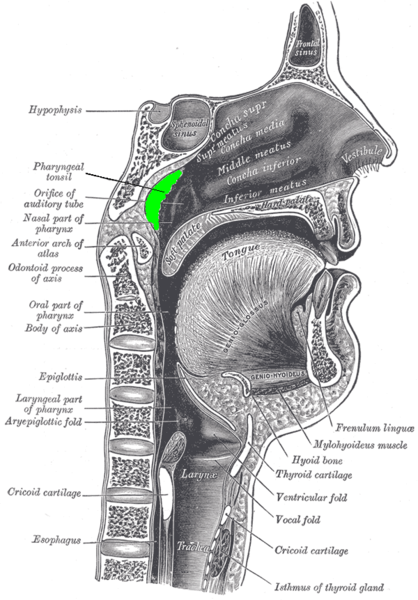
Recovery time can range from several hours to two or three days (though as age increases so does recovery time).
View source from Wikipedia
Wednesday, April 7, 2010
How much is your EPF savings worth? Free calculator
I stumble upon this website consisting a tool to calculate the total value of your EPF savings at certain age in your life. Check out the page HERE.
If you wish to diversify your savings, or maybe have another basket to put your eggs in, I'd like you to consider AIA's Endowment plan. It will enhance your EPF with another additional 4% return when you retire.
Good for parents who wants to start a savings plan for their kids and also a great plan to supplement your old age. Kindly SMS to me at 016-2054088 to explore some options. Obligation-free advice direct to you. :)
If you wish to diversify your savings, or maybe have another basket to put your eggs in, I'd like you to consider AIA's Endowment plan. It will enhance your EPF with another additional 4% return when you retire.
Good for parents who wants to start a savings plan for their kids and also a great plan to supplement your old age. Kindly SMS to me at 016-2054088 to explore some options. Obligation-free advice direct to you. :)
Thursday, November 5, 2009
Home loan rate hike inevitable
By DANNY YAP
Thursday November 5, 2009
PETALING JAYA: Financial institutions, in particular banks, have in general agreed to raise mortgage lending yields, which will have an impact of increasing their net interest margins (NIMs).
An analyst with OSK Research said banks with strong mortgage lending growth would be the key beneficiaries, while the eventual increase in benchmark interest rates would benefit all banks on a greater scale as loan assets tended to re-price faster than deposits.
He said higher home loan rates were imminent and expected housing loan rates to trend upwards in the not-so-distant future as the banking industry moved towards risk-based pricing in determining more sustainable interest rates for the industry.
The upswing in home loan rates is inevitable as economic conditions improve.
Subscribe to:
Posts (Atom)